 Skip to content
FM Auto Remapping — VW Golf Tuning West Midlands
VW Golf ECU Remap West Midlands: Stage 1 & Stage 2 Tuning Guide
The VW Golf is one of the most popular vehicles for ECU remapping in the UK — and for good reason. Here’s what Golf owners in the West Midlands need to know before booking.
Why the VW Golf Responds So Well to an ECU Remap
Volkswagen engines — particularly the 1.6 TDI, 2.0 TDI, and 2.0 TSI units — are consistently among the most popular choices for ECU remapping across the UK. VW designs its engines with significant headroom built into the factory maps, partly to allow the same engine platform to serve multiple markets and power levels within the same model range.
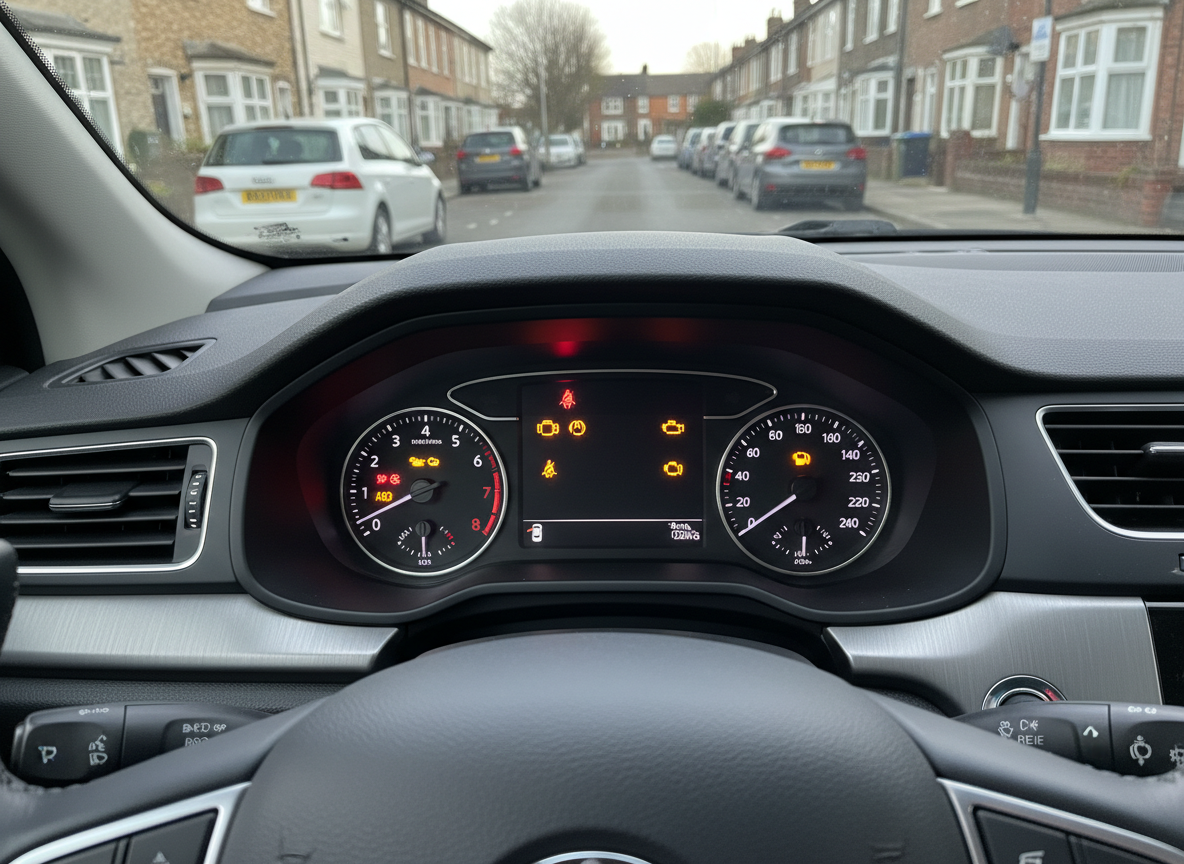
What that means in practice is that a VW Golf 2.0 TDI 150 is often running the same core hardware as the 184bhp version — with the difference sitting in the ECU calibration rather than the engine itself. A well-executed remap can bring a 150bhp Golf significantly closer to the 184bhp tune, while also improving torque delivery, throttle response, and in many cases fuel efficiency at motorway speeds.
FM Auto Remapping provides mobile ECU remapping across the West Midlands, including Birmingham, Wolverhampton, Walsall, Solihull, Coventry, Dudley, and West Bromwich. If you drive a Golf in the region, a specialist can come to your home or workplace — no need to take the car anywhere.
VW Golf Models That Work Well with a Remap
Most turbocharged Golf variants from around 2005 onwards respond well to remapping. The specific gains vary by engine, but here’s a broad overview of common platforms:
Golf TDI (Diesel)
The 1.6 TDI and 2.0 TDI are the two most remapped diesel Golf engines. The 2.0 TDI in particular has a strong reputation for clean, predictable results. Common rail injection, a robust turbo setup, and VW’s well-documented ECU architecture make these engines very well-suited to calibration work.
Golf GTI and TSI (Petrol)
Turbocharged petrol Golfs — the 1.4 TSI, 1.5 TSI, and the GTI’s 2.0 TSI — all respond positively to remapping. The GTI in particular is a popular candidate because its 2.0 TSI engine has significant factory-imposed limits that can be safely expanded with a proper Stage 1 tune.
Golf GTE and Hybrid Variants
Hybrid Golf variants are more complex and not standard candidates for a straightforward remap. If you drive a GTE, it’s worth discussing with FM Auto Remapping directly to understand what’s achievable on your specific configuration.
Not sure which Golf variant you have?
Check the plate in your V5C or the sticker inside the driver’s door jamb. The engine code will confirm exactly which unit is fitted — and what’s possible with a remap.
Stage 1 vs Stage 2: Which Is Right for Your Golf?
The most important distinction when discussing ECU remapping for a VW Golf is between Stage 1 and Stage 2 work.
Stage 1 Remap
A Stage 1 remap is carried out on your Golf in standard configuration. No additional hardware modifications are required. The ECU calibration is adjusted to optimise fuel delivery, boost pressure, and ignition timing within the existing hardware’s safe limits.
For the vast majority of Golf owners, Stage 1 is the right choice. It delivers a meaningful improvement in day-to-day driving without requiring any other changes to the vehicle. It’s also reversible — if you ever need to return the car to factory settings, that’s straightforward.
Stage 2 Remap
Stage 2 is designed for Golfs that have already had hardware upgrades — a performance exhaust, an upgraded intercooler, or other modifications. The remap is then calibrated to work with those hardware changes, extracting more performance than Stage 1 can achieve on a standard vehicle.
Stage 2 is a less common choice and generally suits drivers who are building a more modified vehicle over time, rather than drivers looking for a practical improvement to a standard daily driver.
What to Expect During a Mobile Golf Remap
The process for a mobile remap is the same regardless of make and model. A FM Auto Remapping technician comes to your preferred location — home, workplace, or elsewhere in the West Midlands — and connects to the Golf’s OBD port.
The process runs roughly as follows:
- Pre-remap diagnostic scan to check for existing fault codes
- Read and backup of the original ECU data
- Custom map written and flashed to the ECU
- Post-remap check to confirm everything is running correctly
- Test drive if conditions allow to confirm the new tune feels right
The whole process typically takes between 60 and 90 minutes for a standard Golf Stage 1. You can drive the vehicle normally immediately afterwards.
Honest Expectations: What a Remap Will and Won’t Do
ECU remapping is a genuine performance and efficiency tool, but it helps to go in with realistic expectations rather than inflated promises.
| What to expect | What to be realistic about |
|---|---|
| Improved throttle response | Exact power gains depend on vehicle condition |
| More usable torque, particularly mid-range | A remap won’t fix underlying mechanical issues |
| Better fuel economy at steady motorway speeds (TDI) | City driving fuel economy is less affected |
| Smoother power delivery | Some insurance policies will need updating |
FM Auto Remapping takes a diagnostics-led approach. If your Golf has fault codes or known issues before the remap, those should be addressed first. A remap on a vehicle with underlying problems won’t give you the results you’re expecting.
Common VW Golf Faults Worth Checking Before Remapping
VW Golfs — particularly higher-mileage TDI examples — have a few common fault areas that should be checked before committing to a remap:
EGR valve fouling
The EGR (Exhaust Gas Recirculation) valve is a common fault point on TDI engines. A fouled or stuck EGR valve affects performance and emissions. If your Golf has been going into limp mode or showing hesitation at low throttle, an EGR diagnostic should come before any tuning work.
DPF condition
Golfs with a DPF (Diesel Particulate Filter) that is near-full or blocked will show poor performance and warning lights. A remap on a Golf with a compromised DPF won’t produce good results. FM Auto Remapping can assist with DPF diagnostics and solutions — sister company DPF Clean Specialist covers the West Midlands area for professional DPF cleaning.
Turbo condition
A remapped turbo engine works harder than stock. If there’s any existing turbo wear, that’s better to know about before a remap. A diagnostic check will surface turbo-related fault codes if present.
Frequently Asked Questions
Will remapping my VW Golf void the manufacturer’s warranty?
Yes, an ECU remap typically voids the powertrain warranty on a vehicle still covered by the manufacturer. This is mainly relevant for newer Golfs within the standard warranty period. For older, out-of-warranty vehicles it’s less of a concern.
Do I need to tell my insurance company about a VW Golf remap?
Yes. An ECU remap is a modification and needs to be declared to your insurer. Most policies can accommodate it, though there may be a small premium adjustment. Not declaring it could invalidate a claim.
Can FM Auto Remapping remap a Golf Mk7 or Mk8?
Yes. FM Auto Remapping works with a range of Golf generations including the Mk5 onwards. Get in touch with your specific engine code to confirm compatibility.
How long does a VW Golf remap take?
A standard Stage 1 remap on a Golf typically takes between 60 and 90 minutes, including the pre-remap diagnostic check. You can drive normally straight away.
Is there a risk of damaging the Golf’s engine?
When carried out correctly on a mechanically sound vehicle, the risk is very low. A backup of the original ECU data is taken before any changes are made, and the remap is written within safe limits for the hardware. Pre-remap diagnostics are part of the standard process.
Book a Mobile VW Golf Remap in the West Midlands
FM Auto Remapping covers Birmingham, Wolverhampton, Walsall, Solihull, Coventry, Dudley, West Bromwich, and all surrounding West Midlands areas. Mobile service at your home or workplace.
