 Skip to content
FM Auto Remapping — ECU Remapping Advice West Midlands
Remapping a High-Mileage Car: Is It Worth It?
If your car has covered a lot of miles, you might wonder whether an ECU remap still makes sense. Here’s an honest look at what works, what to check first, and when a remap is worth it on a higher-mileage vehicle.
The Short Answer: Mileage Alone Isn’t the Main Factor
One of the most common misconceptions about ECU remapping is that it’s only suited to newer, low-mileage vehicles. In practice, mileage by itself tells you very little about whether a remap is appropriate. A well-maintained diesel at 120,000 miles can be an excellent candidate. A poorly serviced 40,000-mile petrol can be the opposite.
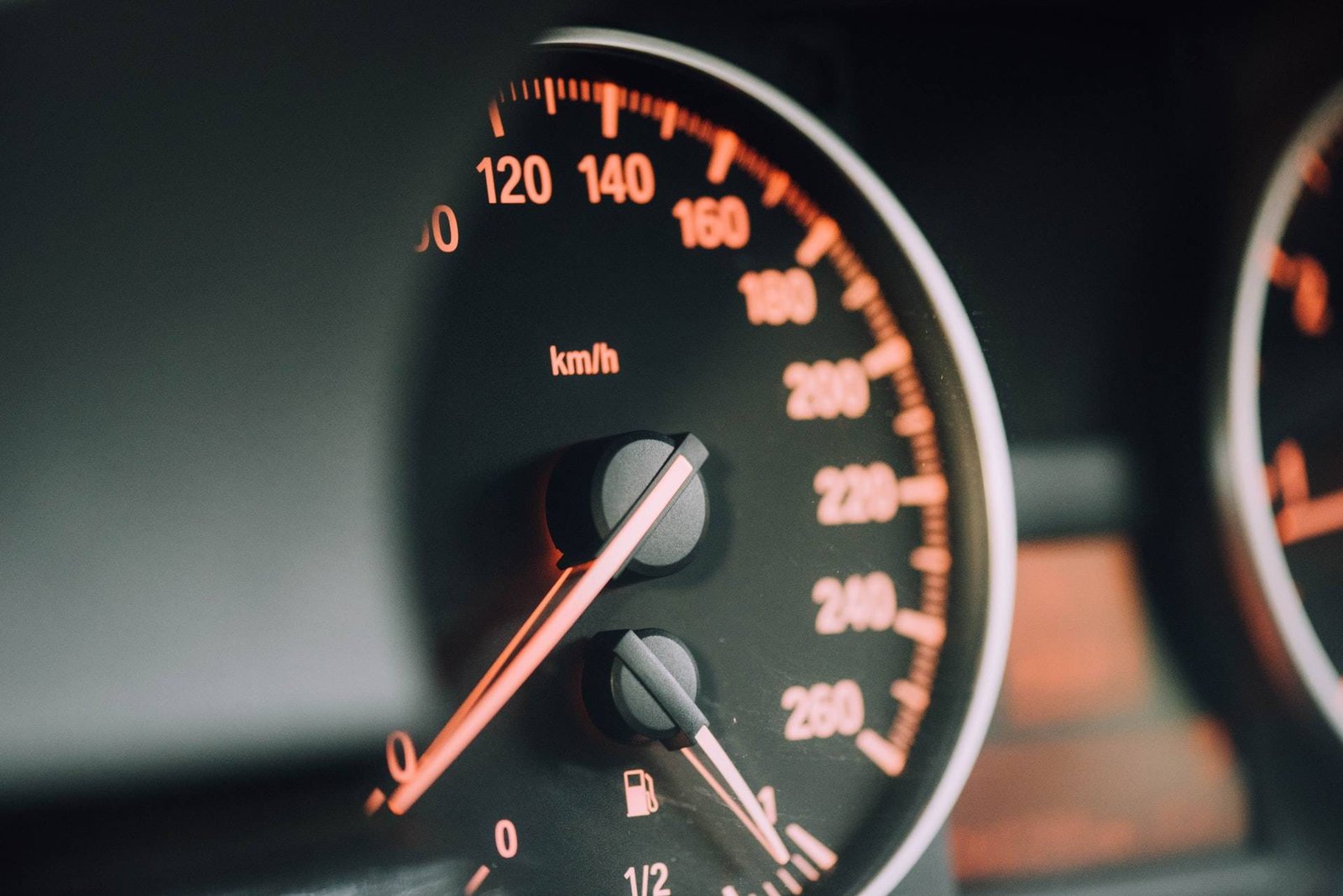
What matters is the condition of the vehicle — not how far it has driven. A pre-remap diagnostic check is standard practice with FM Auto Remapping for exactly this reason. Before any work is carried out, the vehicle is scanned for fault codes and any known issues are identified. That gives a clear picture of whether the vehicle is in the right state for tuning work, regardless of the mileage on the clock.
For West Midlands drivers running well-used diesel vans, workhorse saloons, or higher-mileage performance cars, this question comes up regularly — and the answer is often more positive than drivers expect.
What Makes a High-Mileage Vehicle a Good Remap Candidate
There are several indicators that suggest a high-mileage vehicle will respond well to remapping:
Recent service history
A vehicle with documented service history — oil changes at the right intervals, filters replaced, timing belt or chain maintained — is a far better candidate than one with gaps in its maintenance record. A freshly serviced high-mileage diesel is often in better condition than a neglected low-mileage equivalent.
No active fault codes
If a pre-remap scan shows a clean bill of health — no fault codes, no stored faults — the vehicle is mechanically ready for tuning. Existing fault codes are a reason to pause and investigate, not necessarily a permanent barrier, but they should be resolved first.
Turbo and EGR in good condition
For turbocharged diesel vehicles especially, the turbo and EGR valve need to be in reasonable condition. Both components are subject to wear over high mileages, but both are also serviceable. If either is showing signs of fault, addressing that before remapping is the right approach — and FM Auto Remapping can assist with EGR diagnostics and solutions as part of the same service.
DPF not at end of life
A near-blocked or failing DPF is a common issue on high-mileage diesel vehicles that have spent a lot of time on short journeys. If the DPF warning light is active or the vehicle is running sluggishly, that should be assessed before any tuning work. Sister company DPF Clean Specialist covers the West Midlands for professional DPF cleaning if needed.
What to Check Before Remapping a High-Mileage Vehicle
Treating the pre-remap process seriously is especially important on a higher-mileage car. Here’s what typically needs to be in order before going ahead:
- Oil and filter recently changed — fresh oil is important for an engine running a more optimised map
- Air filter clean or replaced — a blocked air filter limits what a remap can achieve
- Fuel filter in good condition — particularly on diesel vehicles where fuel quality affects injection performance
- No active or pending fault codes on the diagnostic scan
- Coolant level and condition checked — overheating risk increases with any tuning work
- Turbo showing no signs of excessive play or oil leaks
- EGR valve functioning correctly and not causing fault codes
None of these checks requires the vehicle to be in showroom condition. They’re the standard baseline for any vehicle where tuning work is going to give meaningful, lasting results. FM Auto Remapping carries out a diagnostic check as part of the standard process — so if something does show up, you’ll know before any remap work begins.
Why diagnostics matter on high-mileage vehicles
A remap on a vehicle with underlying issues won’t produce the results you expect — and could mask problems that worsen over time. The diagnostic-first approach means you get an honest assessment of what the vehicle needs before committing to any tuning work.
Does a Remap Put Extra Stress on a High-Mileage Engine?
This is the question most drivers with older vehicles want answered honestly. The answer is nuanced.

A Stage 1 remap — the most common type — works within the safe operating limits of the standard hardware. It doesn’t push the engine beyond what it was designed to handle. Most manufacturers build significant tolerances into their engine specifications, and a well-calibrated Stage 1 remap works within those tolerances rather than exceeding them.
What a remap does do is change the operating conditions compared to factory settings. An engine running a more optimised map will respond more directly to throttle inputs and may work a little harder in some situations. On a mechanically sound, well-maintained high-mileage vehicle, this is not a problem. On a vehicle with existing wear or underlying faults, it’s a reason to resolve those issues first.
The key principle: a remap doesn’t create problems in a healthy engine, but it can surface problems in an engine that already has them. This is why the diagnostic-first approach matters — and why FM Auto Remapping includes that check as standard practice.
When a High-Mileage Remap Makes the Most Sense
There are specific situations where remapping a higher-mileage vehicle is particularly worthwhile:
High-mileage diesel vans used for work
A Ford Transit, VW Transporter, or Mercedes Sprinter at 100,000+ miles that is regularly serviced and mechanically sound can benefit significantly from a Stage 1 remap. Better torque delivery reduces the engine strain of carrying heavy loads, and improved fuel efficiency at motorway speeds can make a real difference over commercial mileage.
Diesel cars primarily used for motorway driving
High-mileage diesel cars — often chosen specifically for their motorway efficiency — respond well to remapping. The fuel efficiency gains at steady motorway speeds are one of the most consistent results of a diesel TDI remap, and those savings compound over high annual mileages.
Vehicles approaching the end of a manufacturer warranty period
If a vehicle has been kept stock throughout its warranty period but is now out of warranty and in good mechanical condition, remapping becomes a more straightforward decision. The warranty consideration is removed, and the vehicle’s condition is often good after a few years of managed running.
Performance cars being kept long-term
Higher-mileage performance cars — GTIs, hot hatches, performance saloons — that are being kept rather than replaced are another natural fit. If the vehicle is well-maintained and there’s no intention of selling in the near term, a remap is a cost-effective way to restore some driving enthusiasm compared to factory spec.
When to Wait Before Remapping
Equally important is knowing when to hold off. A remap is not the right first step if:
- There are active fault codes that haven’t been investigated yet
- The DPF warning is on or the vehicle is going into limp mode
- The EGR valve is faulty or the vehicle shows hesitation at low revs
- The turbo is showing signs of wear — excessive smoke, loss of boost, or unusual noise
- The vehicle hasn’t been serviced recently and is overdue for an oil change
- There is a known mechanical issue that hasn’t been addressed
In each of these cases, the better approach is to resolve the issue first. FM Auto Remapping can assist with diagnostics, EGR solutions, and DPF referrals — and then proceed with remapping once the vehicle is in the right condition.
Common High-Mileage Vehicles That Remap Well
| Vehicle | Engine | Why it remaps well at high mileage |
|---|---|---|
| Ford Transit | 2.0 EcoBlue TDCi | Robust common rail diesel, well-documented ECU, consistent results |
| VW Golf TDI | 2.0 TDI | Factory headroom built in; responds cleanly to calibration work |
| BMW 3 Series | 2.0d B47 | Modern turbodiesel with known remap headroom; very responsive |
| Vauxhall Astra | 1.6 CDTi / 2.0 CDTi | Popular work vehicle; fuel economy gains compound at high mileage |
| Mercedes Sprinter | 2.1 CDI / 2.2 CDI | Commercial van with good remap track record when maintained |
Frequently Asked Questions
Is there a mileage limit for ECU remapping?
No hard limit — condition matters more than mileage. A well-maintained 150,000-mile diesel can be remapped; a neglected 50,000-mile vehicle may not be suitable without some work first. The pre-remap diagnostic check gives a clear answer for your specific vehicle.
Will remapping a high-mileage vehicle shorten its lifespan?
Not if the vehicle is in good mechanical condition and the remap is carried out properly. A Stage 1 remap works within the engine’s designed tolerances. Keeping up with servicing after a remap — fresh oil especially — is good practice at any mileage.
My car has 80,000 miles on it. Is that considered high mileage for remapping?
80,000 miles is very manageable on a well-maintained diesel. Many ECU remaps are carried out at this mileage range with excellent results. The diagnostic check will confirm whether your specific vehicle is ready.
Can a remap improve fuel economy on a high-mileage diesel?
Yes — particularly at steady motorway speeds, where a properly calibrated diesel remap typically improves fuel efficiency. City driving is less affected. The improvement compounds over higher annual mileages, which is one reason the remap often pays for itself relatively quickly on a high-usage vehicle.
Can FM Auto Remapping help if my high-mileage car needs work before remapping?
Yes. FM Auto Remapping offers diagnostics, EGR solutions, and can advise on DPF issues via DPF Clean Specialist. The diagnostic check is the starting point — it tells you exactly what the vehicle needs before any tuning decisions are made.
Book a Mobile Diagnostic or Remap in the West Midlands
FM Auto Remapping covers Birmingham, Wolverhampton, Walsall, Solihull, Coventry, Dudley, West Bromwich, Willenhall, and all surrounding areas. Mobile diagnostic checks and ECU remapping at your location.
