Skip to content
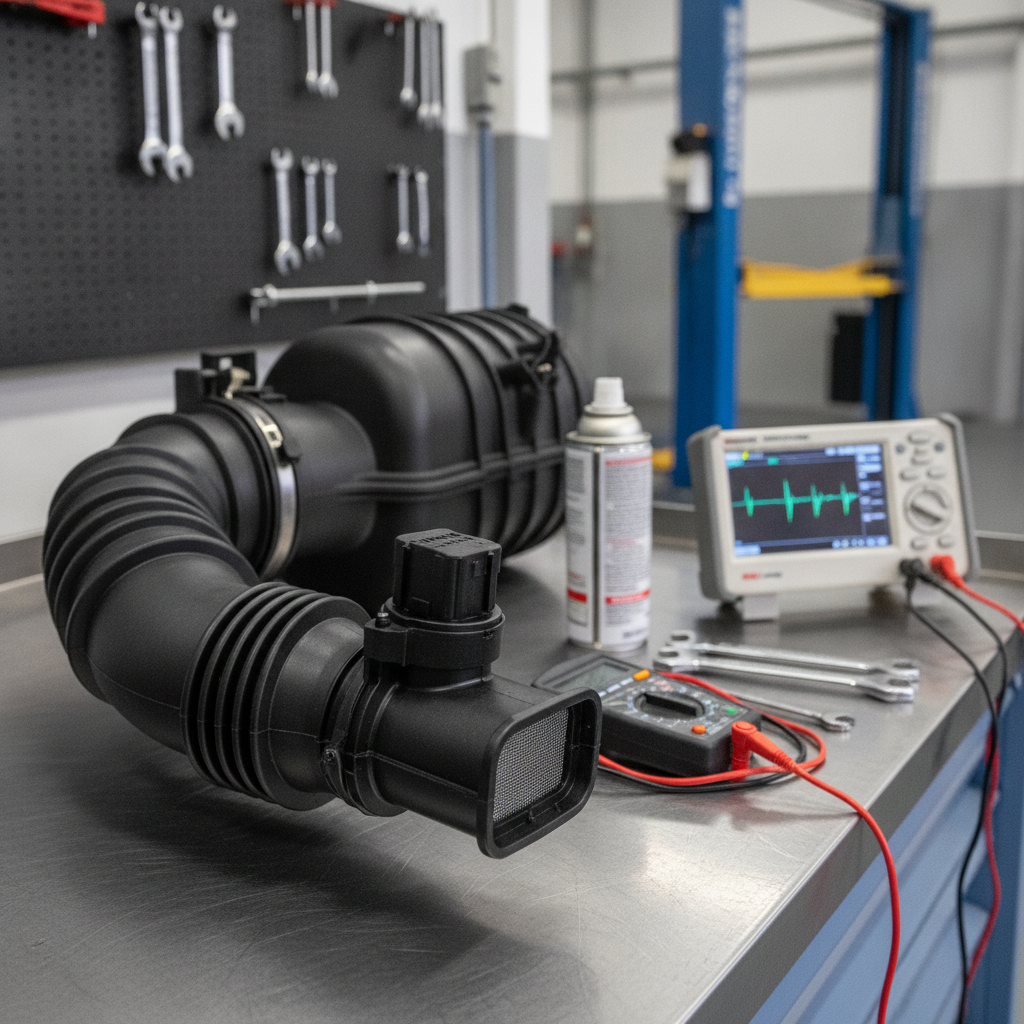
The mass airflow (MAF) sensor is a small but important component in your engine’s air management system. When it fails or starts to give inaccurate readings, performance drops quickly. Here’s what to look for and what it means for your vehicle.
What Does the Mass Airflow Sensor Do?
The mass airflow sensor measures the volume and density of air entering the engine. This information is fed directly to the ECU, which uses it to calculate how much fuel to inject for a given load and throttle position.
If the MAF sensor is sending inaccurate data — because it’s contaminated, failing, or has developed a fault — the ECU is effectively making fuelling decisions based on wrong information. That leads to a range of performance, efficiency, and drivability problems.
Where Is It Located?
On most vehicles, the MAF sensor sits in the intake air duct between the air filter housing and the throttle body or turbo inlet. It’s a relatively accessible component in most engine bays, though the exact location varies by manufacturer.
Common Symptoms of a MAF Sensor Fault
Because the MAF sensor feeds core fuelling data to the ECU, a fault can produce a wide range of symptoms. Some drivers notice a gradual decline in performance; others experience more sudden and obvious problems.
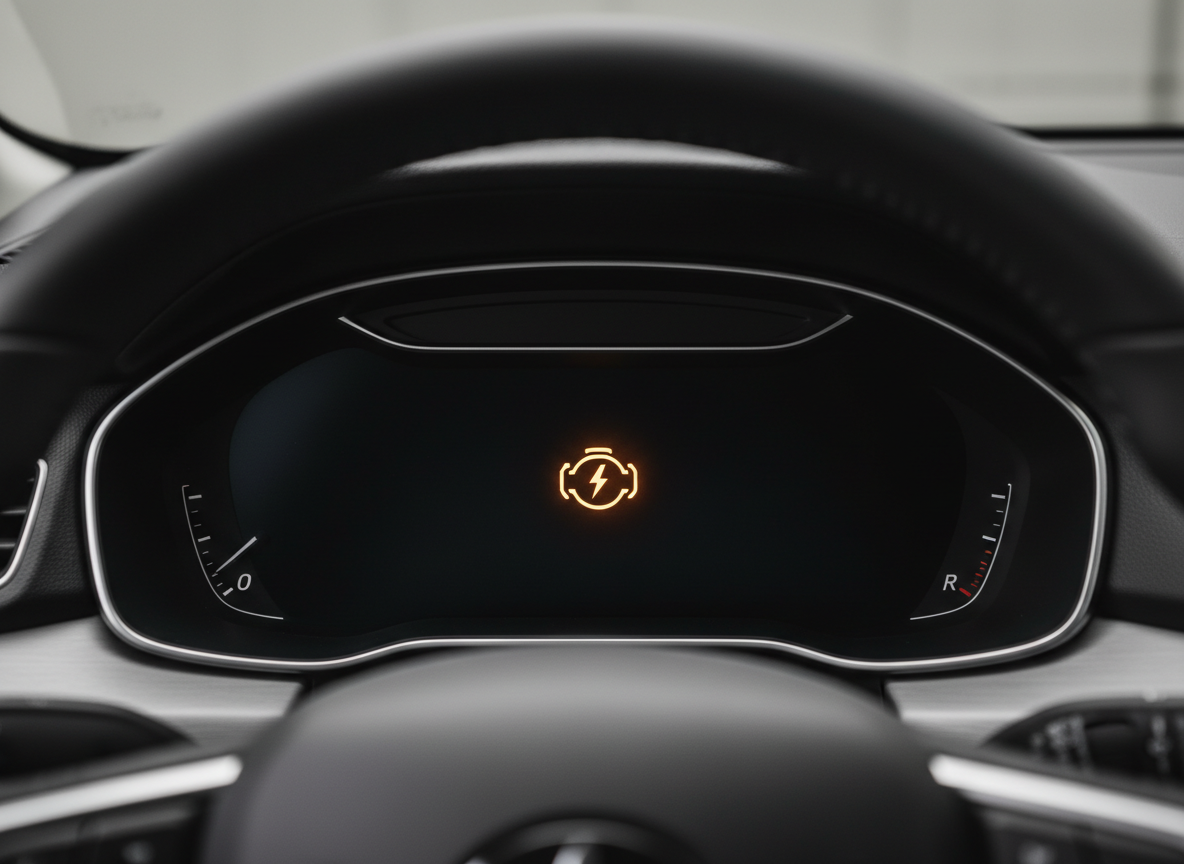
Engine Management Light
In many cases, a failing or failed MAF sensor will trigger the engine management light. Common fault codes include P0100 through P0104, which relate to MAF sensor circuit faults and performance issues.
Rough or Unstable Idle
If the sensor is giving inaccurate low-load readings, the engine may idle roughly, hunt for a stable speed, or stall at junctions. This is often more noticeable when the engine is cold or after a recent start.
Poor Fuel Economy
A MAF sensor reporting lower airflow than is actually entering the engine may cause a lean fuel mixture. One reporting too much air may cause over-fuelling. Either way, fuel economy tends to suffer noticeably.
Hesitation Under Acceleration
Incorrect fuelling calculations result in the engine not receiving the right amount of fuel at the right time. This often presents as hesitation or flat spots when pulling away from a standstill, or when accelerating from low speed in a high gear.
Limp Mode
If the ECU detects a significant MAF fault, it may enter limp mode as a protective measure. Power is reduced, the vehicle won’t accelerate normally, and top speed may be limited. This is the ECU protecting the engine from running under incorrect fuelling conditions for extended periods.
Black or Sooty Exhaust Smoke
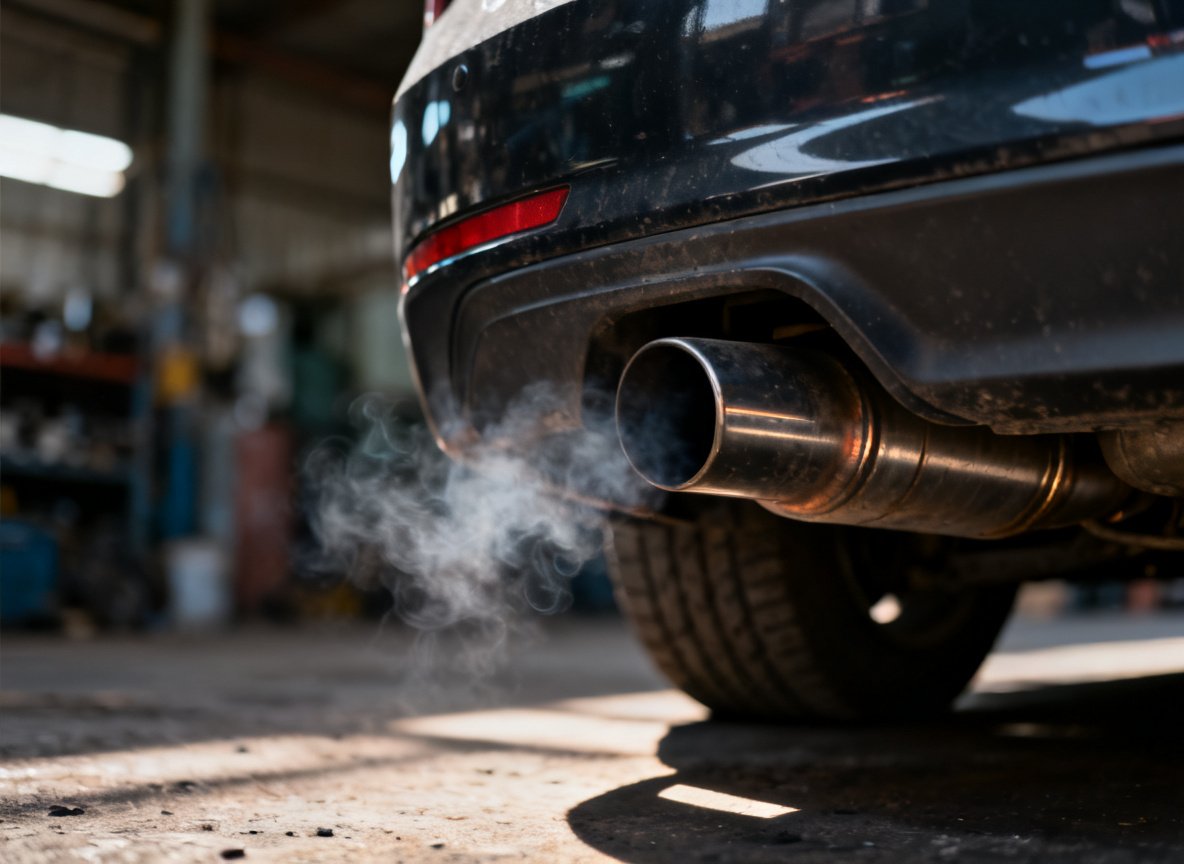
An over-fuelling condition caused by inaccurate MAF readings can result in incomplete combustion and visible smoke from the exhaust. In diesel vehicles, this often appears as black smoke — similar in appearance to DPF or EGR-related issues.
MAF Faults Can Mimic Other Problems
Because a MAF fault affects fuelling, it can produce symptoms that look like injector issues, fuel pump faults, DPF blockage, or EGR problems. Running a proper diagnostic read is the quickest way to confirm what’s actually causing the symptoms rather than guessing and replacing parts unnecessarily.
What Causes a Mass Airflow Sensor to Fail?
Contamination
The most common cause is contamination. Oil mist from a breather system, dust, or debris from a damaged or poorly fitted air filter can coat the sensor’s measurement element. Once contaminated, the readings drift and become unreliable.
Air Filter Condition
A blocked or incorrectly fitted air filter is often a contributing factor in MAF contamination. Keeping it clean and properly seated is the simplest way to extend MAF sensor life.
Age and Wear
High-mileage vehicles may experience intermittent MAF faults even with a clean air filter, simply because the sensor element has worn beyond the point where it can give reliable readings.
Wiring or Connector Issues
Damaged wiring, a corroded connector, or an intermittent electrical fault can produce MAF-related fault codes without the sensor itself being at fault.
Boost Leaks on Turbocharged Vehicles
On turbocharged vehicles, a boost leak after the MAF sensor can cause the sensor to report less airflow than is actually reaching the engine. The boost leak lets pressurised air escape before combustion, but the MAF measurement is already taken — so the ECU receives inaccurate data.
Diagnosis: What’s Actually Involved
Properly diagnosing a MAF sensor fault involves more than reading the fault code. During a diagnostic session, a technician can look at live MAF readings against expected values for the engine at idle and under load. A sensor that’s within range at idle but drops out of range under acceleration is behaving differently from one that’s simply stuck at a fixed value.
FM Auto Remapping offers mobile diagnostics across the West Midlands as part of the repair and diagnostics service. The equipment comes to you, and the diagnostic read is done at your location before any parts are recommended.
Can You Clean a Mass Airflow Sensor?
Specialist MAF sensor cleaner sprays are available, and in some cases — particularly where contamination rather than physical failure is the cause — cleaning can restore sensor performance. The sensor needs to be removed carefully, the element cleaned gently without contact, and the sensor fully dried before refitting.
It’s a reasonable first step on a high-mileage vehicle with contamination-related symptoms. However, if the fault codes return after cleaning, or if live data still shows out-of-range readings, replacement is usually the next step.
Fault Codes Related to MAF Sensor Issues
Common fault codes associated with mass airflow sensor problems include P0100 (Mass Air Flow Circuit Malfunction), P0101 (Range/Performance), P0102 (Low Input), P0103 (High Input), and P0104 (Intermittent). Some manufacturers also use proprietary codes that reference the MAF circuit alongside or instead of standard codes.
If you need a fault code cleared after the underlying issue is fixed, FM Auto Remapping can clear codes as part of the same diagnostic visit. See the DTC delete service for more on fault code management.
Fault Codes Don’t Always Tell the Full Story
A fault code relating to the MAF sensor points you in the right direction, but it doesn’t confirm the sensor is faulty. The code may be triggered by a wiring issue, a boost leak, or a contaminated air filter. Live data analysis gives a much clearer picture — and saves unnecessary parts spending.
Mobile Diagnostics Across the West Midlands
If you’re seeing an engine management light, rough idling, or performance issues and suspect a MAF sensor fault, FM Auto Remapping can carry out a proper diagnostic check at your home or workplace across the West Midlands.
Frequently Asked Questions
Can I drive with a faulty MAF sensor?
In many cases yes, though the vehicle may be running on estimated values rather than accurate sensor data. Extended driving under incorrect fuelling conditions can cause additional issues over time. Getting it diagnosed promptly is advisable.
How much does a mass airflow sensor cost to replace?
Sensor costs vary by vehicle — some basic sensors are relatively inexpensive, while OEM units for premium vehicles can be significantly more. A diagnostic check first confirms whether replacement is actually needed.
Could a MAF fault cause my DPF to block more quickly?
Potentially, yes. Incorrect fuelling caused by a MAF fault can contribute to incomplete combustion, which increases particulate production and can accelerate DPF loading. If you have both a MAF fault and DPF warning lights, addressing both is the right approach.
Will cleaning the air filter fix a MAF fault?
If the fault is due to contamination from a blocked or leaking air filter, replacing the filter may prevent the problem from recurring — but it won’t automatically fix a sensor that’s already been affected.
About FM Auto Remapping
FM Auto Remapping is a mobile ECU remapping and diagnostics specialist based in Willenhall, covering the West Midlands. For AdBlue system faults, sister brand Repair My AdBlue provides specialist diagnosis and repair.