
 Skip to content
A remap changes how the engine makes power, which changes combustion — and that changes what the DPF has to deal with. A well-mapped vehicle on a healthy filter is not a problem. A map applied over a filter that is already restricted is, because the underlying fault does not go away and the results are disappointing.
That is why we check DPF condition before tuning rather than after. If the filter turns out to need cleaning, that is specialist work and we will say so.
Where a remap has not delivered what it should, a restricted DPF is one of the first things worth ruling out. These are the usual causes.
Repeated short trips can stop the DPF reaching the temperature needed to clear soot properly.
If regen keeps failing, soot builds up until the warning light appears and performance starts to drop.
Pressure or temperature sensor faults can trigger DPF warnings even when the root issue sits elsewhere in the system.
Extra soot from poor combustion can overload the DPF and cause the same fault to return after cleaning.

A diesel particulate filter in good condition is a precondition for a remap that actually delivers. We assess filter condition and exhaust behaviour as part of the tuning process, so the map is built on a healthy system rather than masking a fault. Where the filter itself needs cleaning, that is a separate specialist job.
If your vehicle shows any of the signs below, the DPF may be restricted or failing to regenerate properly.
Regeneration is the process where the vehicle burns off soot during normal driving.
Cleaning is required when soot or ash levels are too high for regeneration to complete.
DPF problems are often symptoms of another fault. Diagnostics ensure the correct fix is applied first time.
Poor remap results are frequently a symptom rather than a cause. Restricted exhaust flow, failed regeneration cycles and sensor faults all limit what a tune can achieve, and all of them look like a disappointing map from the driver’s seat.
We read live data on soot load, exhaust temperature and regeneration behaviour before recommending a map, so you know whether the vehicle is ready to be tuned or whether the filter needs attention first.
Tuning a vehicle whose emissions system is working as intended is the only version of this worth doing.
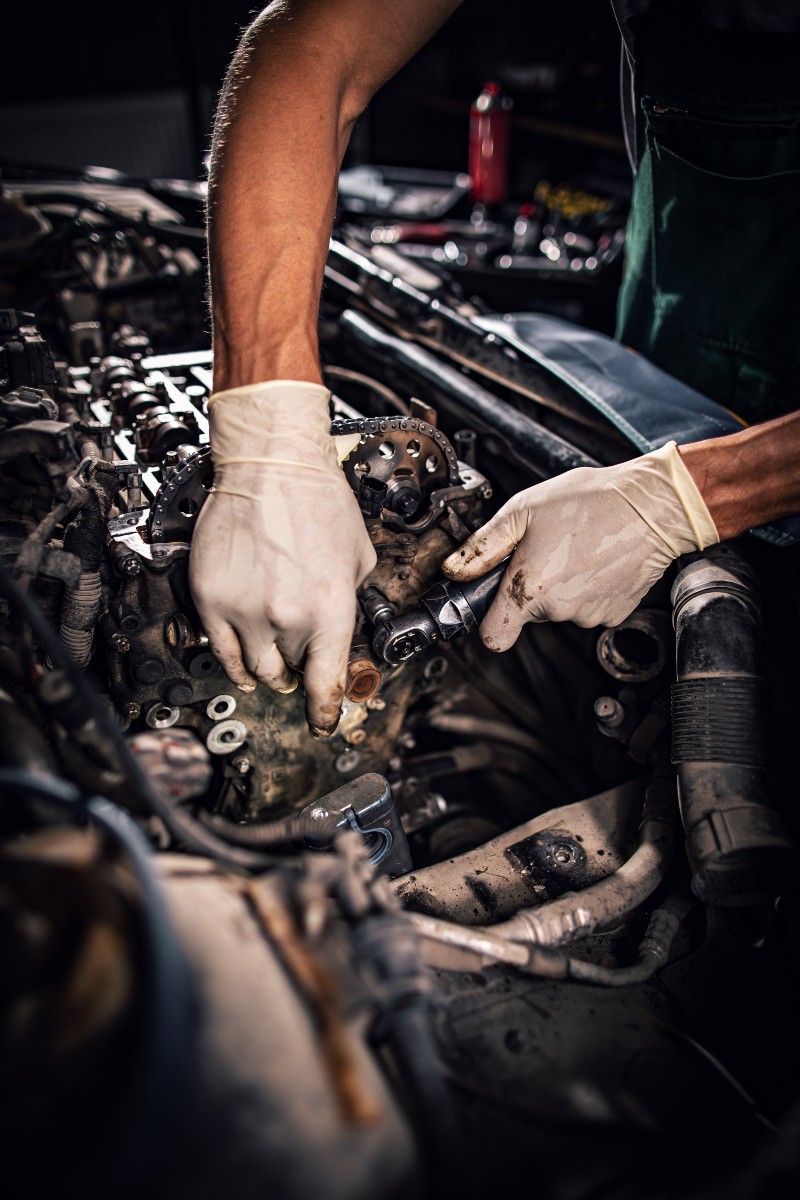
Not every DPF fault means replacement. Many issues are caused by incomplete regeneration, sensor faults, or driving patterns that prevent the filter from cleaning itself properly.
The key is identifying whether the DPF is blocked, restricted, or simply not regenerating as intended. That decision should always come from diagnostics, not guesswork.
Regeneration and cleaning are often confused, but they are not the same solution. The right option depends on soot levels, ash build-up, and underlying faults.
Used when the DPF is partially blocked with soot. Forced regeneration can restore normal operation if the system is otherwise healthy.
Required when soot or ash levels are too high for regeneration alone. Cleaning removes built-up material and restores flow.
If regeneration repeatedly fails, the cause must be addressed first. This often links to EGR, boost, or sensor issues rather than the filter itself.
If related faults are found, these are explained first. You can read more about related systems on our EGR solutions and AdBlue services pages.
Most DPF work is completed during the same visit, depending on fault severity.
Pricing depends on the level of blockage and the work required. Diagnostics are always used to confirm the correct approach before any solution is applied.
If cleaning or regeneration is not suitable, this is explained clearly before proceeding.
Leaving DPF faults unresolved can lead to turbo, EGR, or engine damage. If you are also considering performance work, see our Stage 1 & Stage 2 remap page for guidance.
Most DPF jobs fall into a few common paths. Diagnostics confirms the correct route and keeps costs under control.
Many vehicles arrive with warning lights, reduced power, or poor performance caused by blocked filters, sensor faults, or ECU-related issues. Proper diagnostics identify the cause before any repair is recommended.
Drivers often ask whether a blocked DPF can clear itself, what causes repeat faults, and how long proper diagnostics and cleaning usually take.
In some cases, a longer motorway run can help a regeneration complete, but only if the system is still functioning properly. If the DPF is too restricted or another fault is present, motorway driving alone will not solve it.
Repeat blockages are often caused by failed regenerations, sensor faults, EGR issues, injector problems, or driving patterns that never allow the exhaust to reach proper regeneration temperature.
Many DPF issues can be diagnosed and cleaned during the same visit, depending on fault severity. Heavily restricted systems or vehicles with underlying faults may take longer because the cause needs confirming first.
Get the fault checked properly before it gets worse. We offer mobile diagnostics across the West Midlands.
Book DPF CheckUse the contact form below to send us your enquiry, and a member of our team will get back to you promptly. Whether you have questions about our services, need a quote, or want to book an appointment, we’re here to help.
 Optimized by Seraphinite Accelerator